Salt Before Sunrise: Winter-Proofing a Small Site's Deliveries

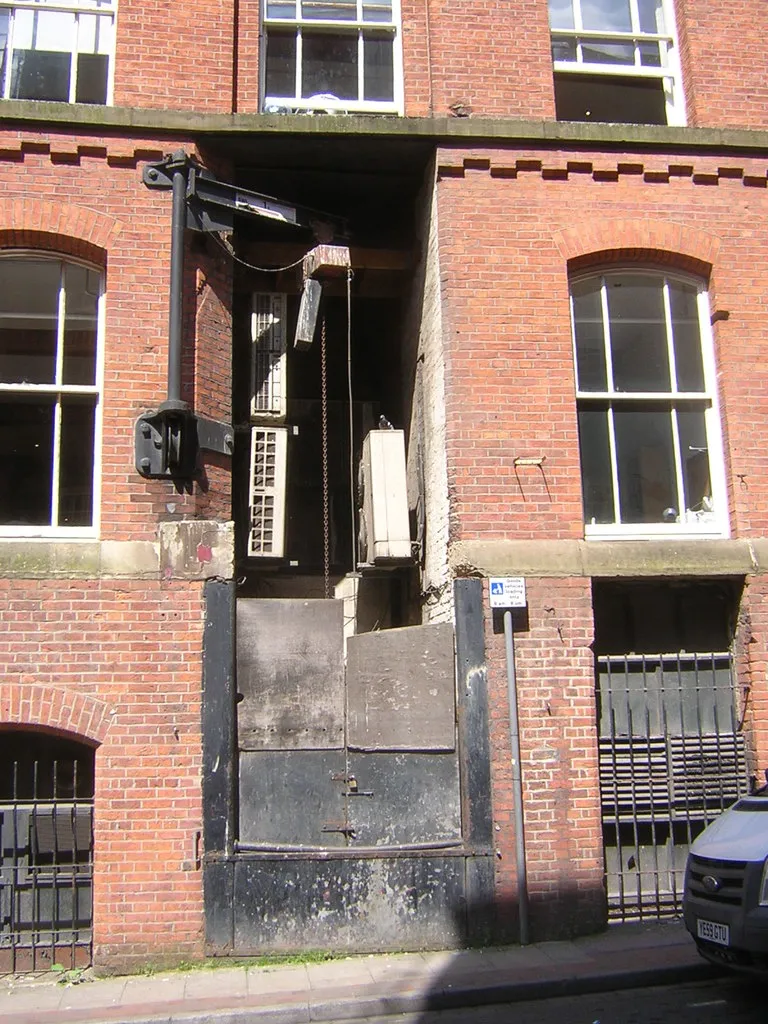
Photo: Evelyn Simak , CC BY-SA 2.0, via Wikimedia Commons
By the middle of November, the operational risk at many small UK sites shifts from volume to surface conditions. A single sloping entrance, an unlit turning area or a shared access road can turn a routine ten-minute drop into a cancelled slot and a damaged relationship with a carrier. The response does not need to be elaborate, but it does need to be settled before the first hard frost.
Establish who grits what
The first assumption to test is that someone else is responsible. Local highways authorities grit public roads on published priority networks; they do not grit private forecourts, service yards or unadopted shared access roads. Those surfaces usually fall to the landowner, the occupier or a collective arrangement between neighbouring businesses.
Check the lease, the title plan and any estate service charge schedule. Where a road is shared, responsibility is often joint, but the practical arrangement may be informal and unreliable. Write to the landlord or managing agent and to neighbouring occupiers now, before conditions deteriorate. Agree who treats which section, who holds the salt, and how costs are divided. If a contractor is used, confirm the trigger conditions and response times in writing. If the site team does the work, define the extent clearly: from the highway boundary to the loading bay, and along the pedestrian route to the office door.
Treat to a temperature trigger, not a calendar date
Waiting for visible snow is too late. Ice commonly forms after rain followed by a sharp drop in surface temperature, or on shaded tarmac that never receives direct sun. A workable trigger is a forecast road-surface temperature at or below 1°C, with pre-treatment carried out before evening departures and again before the first morning arrivals.
Brown rock salt is the standard material for UK yards, though its effectiveness reduces at very low temperatures. Stock should be sufficient for two or three treatments of the access road and pedestrian areas, with a margin for a prolonged cold spell. A covered salt bin, labelled and secured, is more practical than loose bags. Store bags off the ground on a pallet, away from drains and watercourses so that saline run-off does not become an environmental problem. Keep a shovel or spreader, gloves, a torch and a small spill kit nearby.
Set a cold-weather delivery cut-off
Early darkness changes what can be done safely. Reversing an articulated vehicle in an unlit yard is a different task in December than in June. A seasonal cut-off is a reasonable control: for example, no large-vehicle arrivals after 15:30 during the shortest weeks, with van traffic closing slightly later. The exact time should reflect the site's lighting, turning space and staffing.
The cut-off must be published, not merely observed. Put it in booking confirmations, on the website contact page and on a sign at the gate. Ask regular carriers to route late orders to the next morning slot. Where a late delivery is unavoidable, meet the vehicle at the entrance, keep it on the treated route and provide a banksman. A simple daylight rule — no unaccompanied reversing after dark — prevents many avoidable incidents.
Use signage and lighting to make the safe route obvious
A courier who has never visited the site will follow the most visible path, which may not be the gritted one. Reflective markers or short posts can identify the treated route from the gate to the loading area. Signs should be concise: private road, gritted route, ice risk, speed limit and a contact number. Keep pedestrian walkways separate where possible and check that timers on external lighting account for the earlier dusk.
A winter access box at reception or in the gatehouse is useful: salt, scoop, gloves, hi-vis vest, torch, contact list and a laminated site plan. The same information should appear in the access note sent to carriers, with winter-specific additions such as where to park, which slope to avoid and the cut-off time.
Brief couriers before the first frozen morning
A one-page winter briefing issued in late October or early November is more effective than a sign erected after the first fall. Include photographs of the entrance in darkness, the gritted route and the turning area. State the cut-off, the site contact number and the instruction to call rather than attempt an unsafe manoeuvre. Ask carriers to cascade the note to drivers and keep a copy at the gate.
Record that the briefing was sent and to whom. For occasional same-day couriers, add a short winter note to the address line or booking instructions. The aim is not bureaucracy but repetition: the message should reach the driver who has never been to the site before, on the morning when the yard is at its most difficult.
Review after each cold snap
Keep a simple log of gritting times, salt stocks, contractor call-outs and near misses. After a cold spell, review whether the cut-off was realistic and whether the treated route matched actual vehicle movements. If a fall or collision occurs, follow the site accident procedure, preserve evidence and notify the insurer and landlord as required.
The cost of a tonne of salt and an hour of planning is modest compared with a lost delivery day, a damaged vehicle or a personal injury claim. The practical step for a small organisation is to settle responsibilities, stock and communications now — before the first frost makes the decision for you.