Measuring the Road Before the Round: A Physical Limits Register for Small UK Van Fleets
Why a Route Needs More Than a Postcode
A new customer, a fresh contract or a single regular collection can change a small fleet's operating area overnight. The address may look straightforward on a map, and the satnav may accept it without complaint. Yet the final approach can include a weak bridge, a width restriction, a weight limit or a turn that is manageable in a car and less so in a laden van. For a UK SME running a handful of vehicles, these are not abstract transport-planning concerns. They are the details that decide whether a driver arrives on time, damages the vehicle, or blocks a lane while trying to recover the situation.
The practical answer is not a consultant-led route survey for every new job. It is a concise physical limits register: a living record of the restrictions that matter on the roads the fleet actually uses, written in language drivers can apply at the wheel. The aim is confidence, not bureaucracy. A small operator should be able to check a new destination, note the relevant constraints, brief the driver and set out an alternative before the first delivery is attempted.
Start With the Roads You Already Use
A route audit works best when it begins with known journeys rather than every possible road in the county. Begin with the regular rounds, the customers who generate repeat movements and the industrial estates, retail parks and service roads that appear most often in the schedule. For each route, record the physical features that could affect a van, a 3.5-tonne vehicle or a larger light commercial vehicle. The register does not need to duplicate a highway authority's asset database. It needs to capture what is operationally relevant.
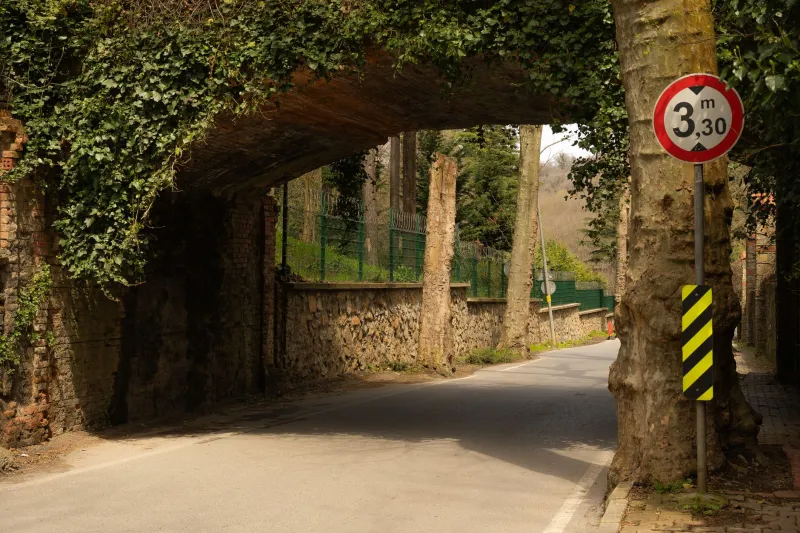
Useful fields include the road name, the nearest town or village, the direction of travel, the restriction type, the signed limit and any practical notes. A low bridge entry might record the stated clearance and the approach that gives the best visibility. A width restriction might note the width and whether the restriction applies to the whole carriageway or only one side. A weight limit should distinguish between an advisory sign and a legally enforceable order. A tight turning point should note the manoeuvre required, the presence of kerbs, parked cars or delivery bays, and whether a banksman is advisable.
Photographs help, but they should be dated and captioned. A picture of a bridge without the sign in view is of limited use. A short note such as 'B-road approach from the south; height bar visible; no safe turning circle beyond' is more valuable than a gallery of images.
Check the Signs, Then Check the Local Context
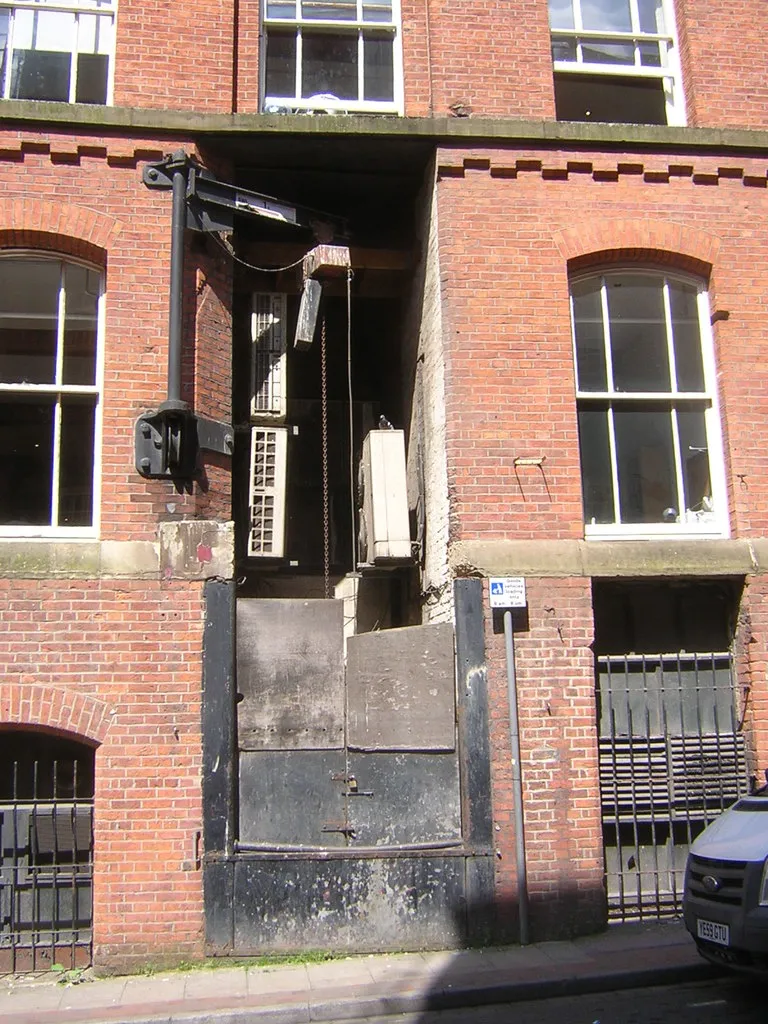
Physical limits are not always captured by a single number on a plate. A bridge may have a height restriction, a weight limit or both. A rural lane may carry an unsignposted weight restriction that applies to certain vehicle classes. A town centre may have a width restriction intended to keep large vehicles out of a historic street. A trading estate may have a tight corner that is not a formal restriction but is still a daily constraint.
Drivers should be encouraged to report these features as part of the normal working day. A simple voice note, a photograph and a location pin are usually enough. The office can then add the detail to the register and decide whether it affects route planning. This is more reliable than relying on memory or on a single driver's familiarity with an area. It also gives the business a record if a customer later asks why a particular vehicle was used or why a delivery took a longer approach.
Where a restriction is legal and enforceable, the register should say so plainly. Where it is a matter of practicality, such as a tight turn or a narrow access road, the note should describe the difficulty rather than overstate it. The distinction matters. Drivers need to know what they must not do, and what they should approach with care.
Write Driver Notes That Work Under Pressure
A register held only in the office is of limited value. The operational output should be a short driver note for each route or destination. Keep it to the essentials: the restriction, the approach to use, the approach to avoid and the fallback. For example: 'Approach from A-road via Mill Lane; do not use Church Street owing to width restriction; if Mill Lane is closed, use the industrial estate entrance and call the customer.'
These notes should sit alongside the delivery instructions, not in a separate system that drivers rarely open. They can be printed, stored in a shared document or attached to the job record. The format should be consistent, so a driver can scan it quickly. Use plain language rather than technical abbreviations. If a vehicle type is affected, say so. If the note applies only to a laden vehicle, say that too.
Review the notes when a route changes, when a customer moves premises or when a driver reports a new obstruction. A quarterly check is usually enough for a small fleet, provided new jobs are assessed before they go live. The register should not become a static document that no one updates.
Build Fallbacks Without Building a Department
The final step is a fallback route for each regular destination where a physical limit could cause delay. This does not require a full transport planning function. It requires a second approach that avoids the most problematic feature, even if it adds a few minutes. For a low bridge, the fallback might be a longer route through a neighbouring village. For a width restriction, it might be an alternative entrance to the estate. For a tight turning point, it might be a nearby loading area with a short push or a smaller vehicle.
Record the fallback in the same driver note and make clear when it should be used. If the fallback depends on a customer's cooperation, such as opening a second gate, record that arrangement and confirm it with the customer. If it depends on parking restrictions, note the times. A fallback that is not practical at peak times is not a fallback.
Small fleets often have an advantage here: drivers know the area and can suggest alternatives. Use that knowledge. A brief conversation after a difficult delivery can produce a better route note than a desk-based exercise. The aim is a register that reflects the road as it is used, not the road as it appears on a planning map.
Keep the Register Proportionate
The physical limits register should be useful, not exhaustive. For most UK SMEs, a simple spreadsheet or shared document is sufficient. The value comes from the discipline of checking new destinations, recording what drivers report and ensuring the notes are available before the vehicle leaves the yard. A small fleet does not need a transport-planning bureaucracy to avoid a low bridge. It needs a clear habit: measure the road before the round, write down what matters and give drivers a sensible alternative.
That approach also supports customer confidence. When a new contract arrives, the business can show that it has considered access, vehicle suitability and contingency before committing to a delivery pattern. In location and logistics terms, that is a modest control with a direct operational payoff.