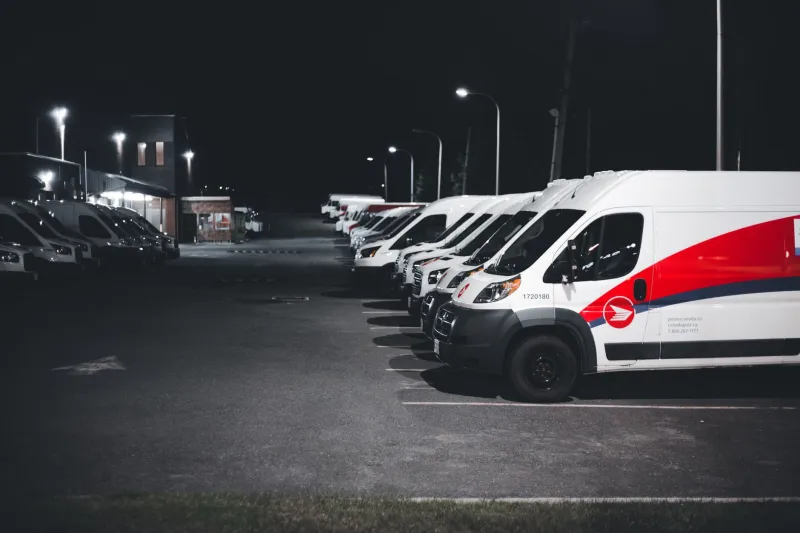
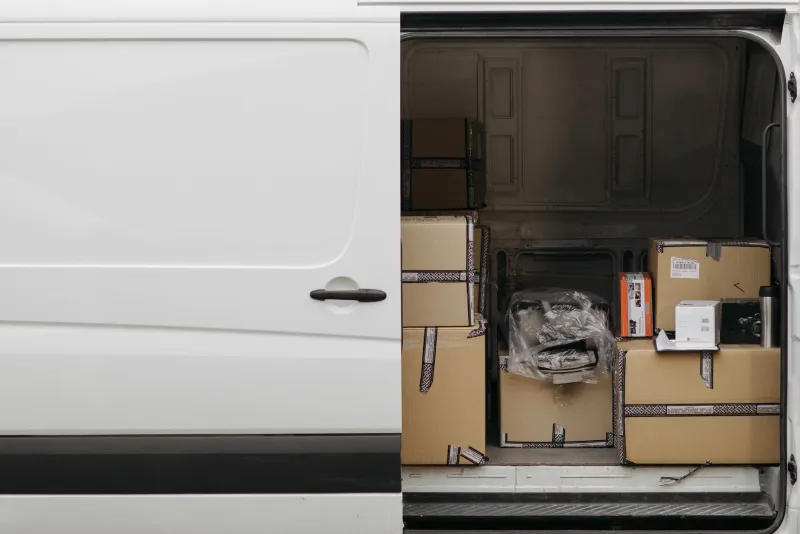
Forecourt Logistics: Making Collection Points Work on a Constrained UK Site
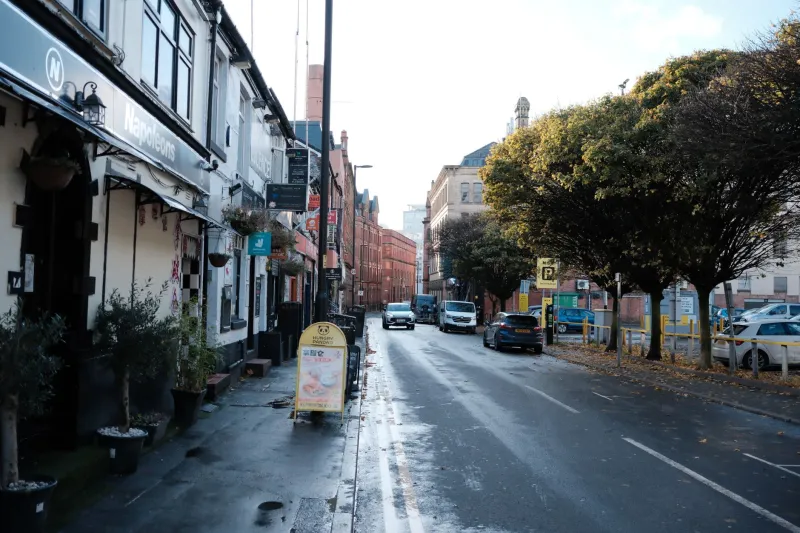
Click-and-collect is often described as a retail channel. On a small UK site, it is better understood as a logistics operation that happens to end in a customer's car. The car park, forecourt or yard becomes a handover point, and every vehicle that arrives is both a customer and a moving part in the site's traffic plan. The commercial opportunity is real, but so is the risk of blocking deliveries, annoying neighbours and turning a modest forecourt into a queue. As collection becomes a standard expectation in 2026, the sensible approach is to treat the kerb as operational space rather than spare space.
Begin with a Kerbside Audit, Not a Sign
Before ordering signage or painting bays, an operator should record what the site can actually accommodate. A simple audit is more useful than a design concept at this stage. Measure the available kerbside length, the width of the access road, the turning circle for a typical customer vehicle and the separation between customer parking and any loading area. Note where pedestrians would walk, where staff would stand and where a vehicle would wait if a bay were occupied.
The audit should also capture timing. Count arrivals at the busiest hour, the quietest hour and during any delivery window. Check whether the site shares an entrance with another business, a residential road or a school run. Bin day, shift changes and neighbouring opening times can all alter the picture. If the lease or planning permission limits the use of the forecourt, confirm the position before collection traffic increases. A car park that is acceptable for staff parking may not be acceptable as a recurring customer destination without discussion with the landlord or local authority.
The output should be a short written record: bays available, conflicts observed, peak times and any physical constraints such as narrow gates, low canopies or poor lighting. That record becomes the basis for every later decision.
Separate the Three Flows
A collection point works best when three flows are kept apart: customer vehicles, pedestrians and inbound goods. On a constrained site, separation may be physical or temporal. Physical separation could mean dedicating the two bays nearest the entrance to collections and keeping the delivery bay at the rear. Temporal separation could mean reserving a short window for collections when no articulated vehicle is expected.
The aim is to avoid reversing conflicts and pedestrian movements through live traffic. One-way routing, clear bay numbering and a marked walking route from bay to handover point are inexpensive measures. Accessible parking should remain available and should not be converted into a collection bay simply because it is convenient. Fire routes, escape routes and disabled access must remain clear at all times.
Where space is very tight, a boot-to-boot handover can work: the customer remains in the vehicle, staff bring the order to the car and the transaction is completed at the kerb. This reduces walking traffic but increases the importance of bay discipline, because a single blocked bay can stop the whole sequence.
Set a Dwell-Time Target and Manage to It
Dwell time is the real currency of a collection point. A customer who arrives before the order is ready will wait in the bay and reduce capacity for everyone else. A customer who arrives in a peak period without a slot can create a queue on the access road. The operational answer is to prepare orders before the collection window, notify the customer when the order is genuinely ready and give a realistic arrival window rather than an open-ended invitation.
For many small sites, a target of five to ten minutes from arrival to departure is achievable. Staff should know where the order will be held, how it will be identified and what to do if the customer arrives early or late. A named collection point, whether a counter, a hatch or a sheltered waiting position, reduces confusion. If the site uses numbered bays, the customer can be told which bay to use and staff can monitor dwell time by simple observation. Recording a week of arrival and departure times will show whether the target is realistic or whether the collection window needs to be widened.
Make Signage Legible at Driving Speed
Signage should work for a driver approaching at low speed, often for the first time. It should be visible from the entrance, use plain language and avoid relying on an app or a QR code alone. The sequence should be obvious: where to turn, where to park, where to walk and where to wait. Bay numbers, arrows and a contact number are more useful than a long list of instructions.
Temporary signs can bridge a trial period, but they need weighting or fixing so they do not become a hazard. Lighting matters in winter afternoons and early evenings. If the collection point is not visible from the road, a small sign at the entrance is more valuable than a large sign at the handover point. Consistency between the website, the confirmation email and the physical signs prevents customers from arriving at the wrong door.
Protect Delivery Access
Collections and deliveries compete for the same kerb. A delivery vehicle that arrives during the collection peak can block the only turning space or force customers to reverse into a busy road. The practical response is to book deliveries outside collection peaks, agree a no-delivery window with carriers and keep the loading area clearly marked. If the site receives several couriers a day, a single consolidated delivery point may be better than allowing each vehicle to find its own space.
Staff should be authorised to ask a waiting courier to move on, and carriers should be told in advance where to park. A clipboard or simple booking sheet is enough for many small sites. The objective is not to prioritise one flow over another but to prevent the two from colliding at the same moment.
Manage the Neighbour Interface
Collection traffic can affect neighbours through idling engines, car doors, voices, headlights and vehicles waiting on the access road. An engine-off expectation, a clear instruction not to queue on the public highway and a staff presence at peak times can prevent small irritations from becoming complaints. If the site is near housing, the evening collection window deserves particular attention.
Operators should also check that the increased activity is consistent with the property's permitted use and any lease restrictions. A change in the intensity of use may require consent, and a conversation with the landlord before the first busy weekend is cheaper than a dispute afterwards. Recording complaints and adjustments shows that the site is being managed rather than merely used.
A Low-Cost Fit-Out Sequence
The most effective measures are usually the least dramatic. Line marking and bay numbering come first, followed by entrance signage, a marked pedestrian route, bollards where vehicles might cut a corner and a sheltered waiting point if staff or customers are exposed to weather. A simple shelter, a bell or intercom and improved lighting may be enough. A locker system is an option where orders are small and customers arrive outside staffed hours, but it should not be installed before the basic traffic plan works.
The test is whether the site can handle a busy Saturday without blocking a delivery, obstructing a neighbour or creating a queue on the road. If it cannot, the answer is usually better timing and clearer signs rather than a larger refit.
Review After Four Weeks
A collection point should be reviewed after a month of operation. Count arrivals, note average dwell time, record aborted collections and ask staff where conflicts occur. Adjust the collection window, the bay allocation or the signage in response. Small sites rarely get the layout right first time, but they can get it right through observation. The car park is not merely a place to park; once collections begin, it is part of the fulfilment route, and it deserves the same attention as the warehouse door.