Short-Term Space, Long-Term Snags: A Six-Point Check for Seasonal Storage Leases

Why seasonal space deserves a proper look
By early November, most UK retailers and wholesalers know what their peak looks like. Stock is already arriving, couriers are publishing cut-off dates, and the unit that seemed adequate in August now has pallets in the aisle. The temptation is to take whatever short-term space is available, quickly, and sort out the detail later.
That instinct is understandable and frequently expensive. A seasonal lease may run for eight or twelve weeks, but the operational consequences can outlast it: a stockholding that cannot be reached during the hours the picking team works, a goods-in yard that cannot take an articulated vehicle, or a dilapidations bill that arrives in February for damage nobody recorded.
The six checks below are the ones most often skipped when a decision is made under time pressure. None requires specialist advice to assess, though a solicitor should always review the agreement itself.
1. Access hours, including the hours you do not normally use
Confirm in writing the hours during which the tenant, its staff and its carriers may enter. A unit advertised as having twenty-four-hour access may in practice be behind a barrier controlled by a landlord or an estate manager with restricted staffing, or subject to a curfew imposed by a planning condition.
Ask specifically about weekends, bank holidays and the period between Christmas and the new year, when peak activity often continues but site management does not. If your picking shift starts at 06:00, check that the gate does too.
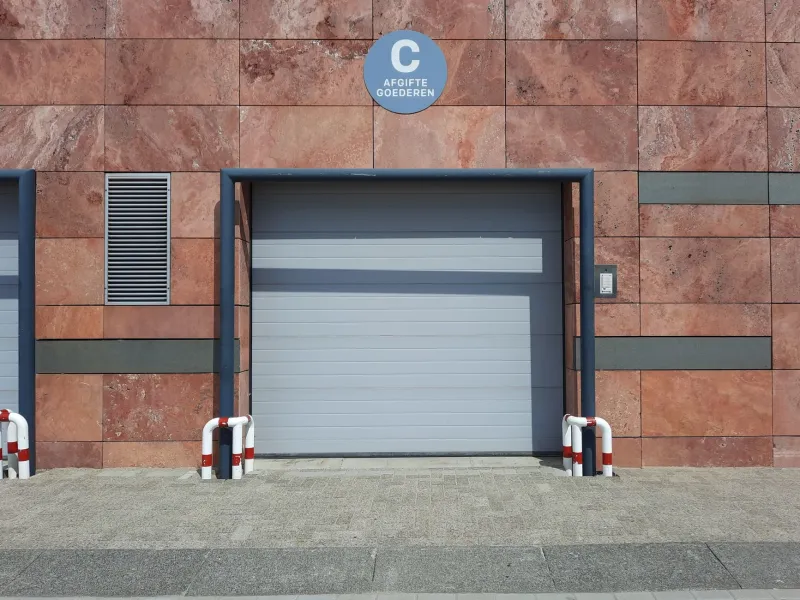
2. Loading-bay availability and yard capacity
A single shared bay serving four units behaves very differently from a dedicated bay serving one. Establish how many vehicles can be accommodated at once, whether the bay is level with the floor or requires a tail-lift, and whether there is space to turn a rigid vehicle without reversing onto the public highway — a manoeuvre that may be both unsafe and, in some locations, unlawful.
Also ask who else uses the yard. Shared yards frequently become congested in December, and a carrier that cannot gain access will simply leave, taking your stock and your delivery promise with it.
3. Permitted use and planning constraints
Storage and distribution falls within Class B8 of the permitted development regime, but not every unit is consented for it. A former retail space, an agricultural building or a unit with a sui generis history may carry conditions restricting the hours of operation, the number of vehicle movements, or the nature of goods that may be kept.
Ask the landlord to confirm the lawful use in writing and, where there is doubt, check with the local planning authority. A short lease does not create an exemption, and enforcement action during your peak trading period is a disruption no business needs.
4. Insurance and the question of who covers what
The landlord insures the building; you insure your stock, your racking and your liability. Confirm that your policy will respond at the new address — most commercial combined policies require notification of additional locations, and some exclude theft where the premises are not fitted with specified protections.
Two points are frequently missed. First, unoccupied periods: if the unit will be empty for more than thirty consecutive days outside the peak, insurers may impose conditions such as weekly inspections. Second, goods in transit and stock awaiting collection sit in a grey area between policies, so clarify which one responds.
5. Security, measured rather than assumed
Visit after dark before signing. Check the perimeter, the condition of the gates, the coverage of any CCTV, and whether alarms are monitored or merely audible. Ask how many keys or fobs exist and who holds them, and request that codes and access devices are changed or reissued at the start of your term.
Where the unit sits within a larger estate, ask what out-of-hours presence exists and what the escalation route is if an alarm activates at two in the morning. For a seasonal tenant holding high-value stock for a few weeks, security is rarely the place to accept an assurance in place of a specification.
6. Exit terms, reinstatement and dilapidations
Read the end of the lease as carefully as the beginning. Establish the notice period, whether a break option is conditional on rent being paid up to date, and precisely what state the unit must be returned in. Remove racking, pallets and any alterations you installed unless the agreement says otherwise; a clause requiring reinstatement to original condition can turn a cheap ten weeks into an expensive February.
Take dated photographs before you move anything in, and again on the day you hand the keys back. Where a schedule of condition exists, ensure it is attached to the lease rather than merely referenced. Confirm also how the deposit is held and on what basis it will be returned.
The commercial detail is worth equal scrutiny. Service charges on short lets are sometimes levied as a flat estimate rather than an apportionment, business rates may fall to the occupier even for a brief period, and utilities may be sub-metered at a rate above the market. Ask for the figures in writing, not as an illustration.
What good looks like
A sound seasonal arrangement is usually recognisable by its paperwork rather than its photographs: a short, specific schedule of condition; a clear access protocol with named contacts; a documented bay allocation; confirmation of lawful use; an insurance position agreed before move-in; and an exit checklist signed by both parties.
None of that makes a unit exciting. It does make it usable, and for ten weeks in December that distinction matters more than the headline rate per square foot.